

How to be Happy
Neuroscience of happiness

How often have you asked yourself this question:
Am I really happy?
And how often have you struggled to find a clear answer?
Or maybe you’ve wondered: What actually makes me happy?
Today, I want to give you a neuroscientific framework that will completely change the way you think about happiness.
In this blog, we’ll explore:
The three levels of happiness in the brain
Why some types of happiness fade quickly while others last longer
How to create lasting happiness at all three levels
The Three Levels of Happiness
Happiness isn’t one thing—it exists on three different levels, each controlled by different parts of the brain.
Level 1: Physical Happiness (Body)
Level 2: Limbic Happiness (Pleasure & Dopamine)
Level 3: Prefrontal Cortex Happiness (Discipline & Fulfillment)
Each level plays a unique role in your well-being.
Level 1: Physical Happiness (Body’s Needs)
Your body has basic needs, and when they are met, you experience physical happiness.
The three main sources of body happiness are:
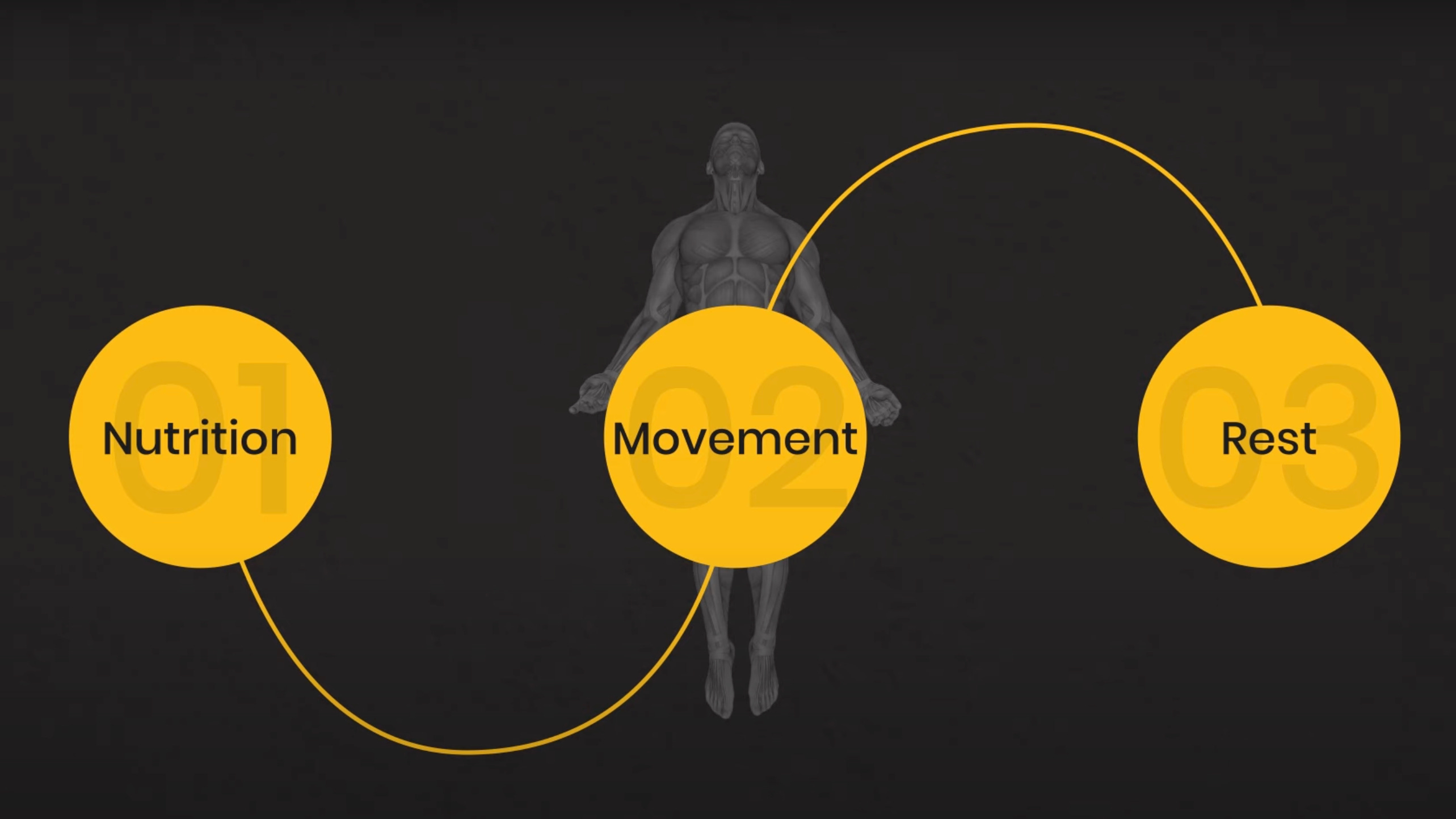
Energy & Nutrition – Eating enough healthy food
Movement & Exercise – Keeping your body active
Rest & Sleep – Getting quality sleep to recover
➡️ The Problem?

You don’t actually “feel” this happiness until it’s missing.
For example:
❌ You don’t appreciate good sleep—until you’ve pulled an all-nighter.
❌ You don’t notice your body’s energy levels—until you skip a meal.
Key Lesson: If your body is unhappy, it’s hard to feel happiness at any other level.
Level 2: Limbic Happiness (Pleasure & Dopamine)

This level of happiness comes from the limbic system—the primitive part of your brain.
The Limbic System Runs on Dopamine.
Dopamine makes you chase things that feel good, such as:
Tasty food
Sex & attraction
Entertainment (Netflix, shopping, social media)
This system is also known as the Hedonic System—it’s designed to seek pleasure.
Why is this a problem?
Because dopamine-based happiness is short-lived.
You feel a rush of pleasure, but then it disappears—so you keep chasing more.
This is how addictions form—whether to food, shopping, social media, or substances.
Level 3: Prefrontal Cortex (PFC) Happiness (Fulfilment & Purpose)
Unlike dopamine-driven happiness, this type of happiness comes from:
Consistency
Discipline
Long-term achievements
This is the deepest form of happiness—the one that comes from:
✅ Mastering a skill
✅ Seeing your hard work pay off
✅ Following a life purpose or meaningful goal
Neuroscience Perspective
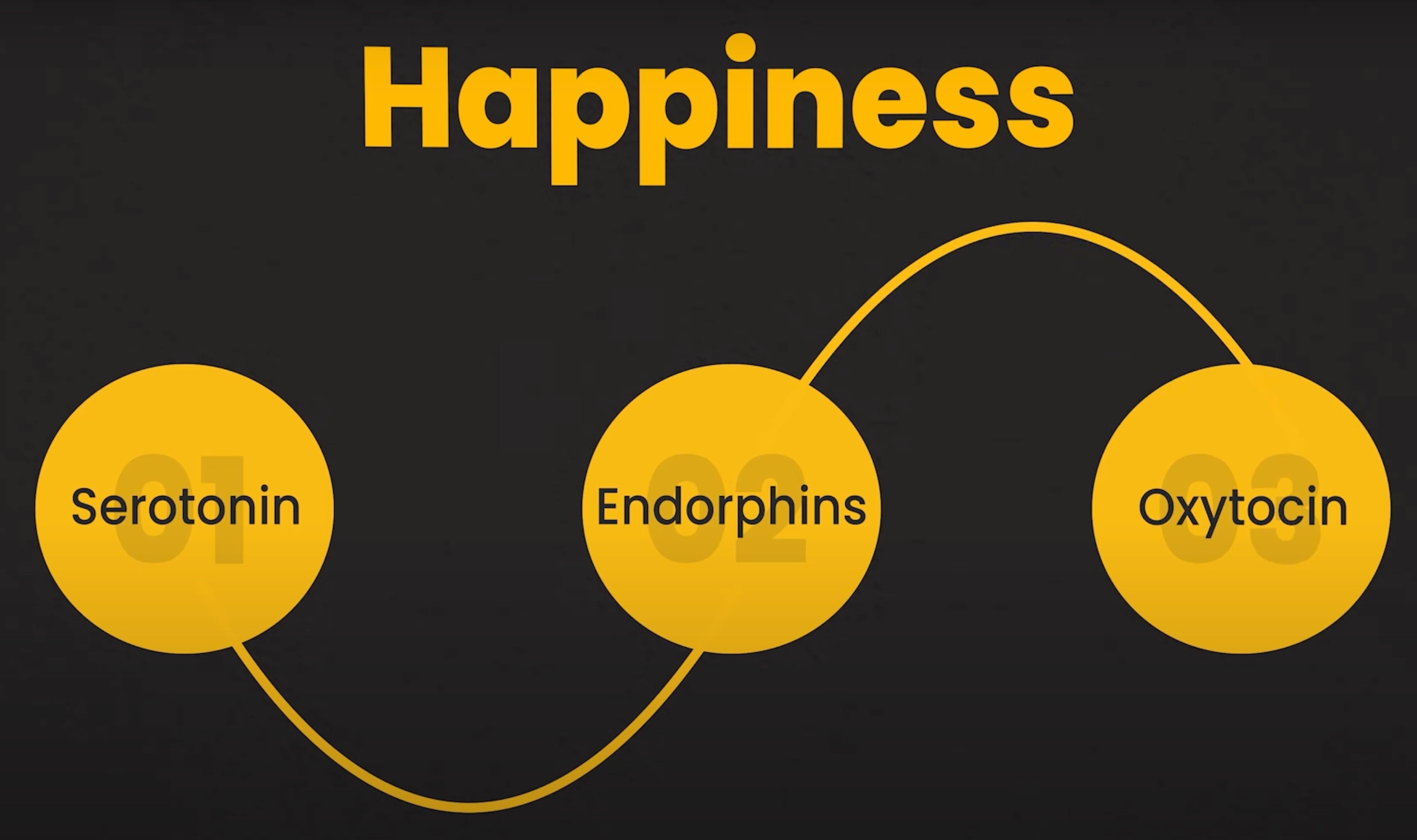
This level of happiness involves not just dopamine, but also:
Serotonin – Creates long-lasting feelings of well-being
Endorphins – Reduce stress and boost mood
Oxytocin – Strengthens relationships and emotional bonds
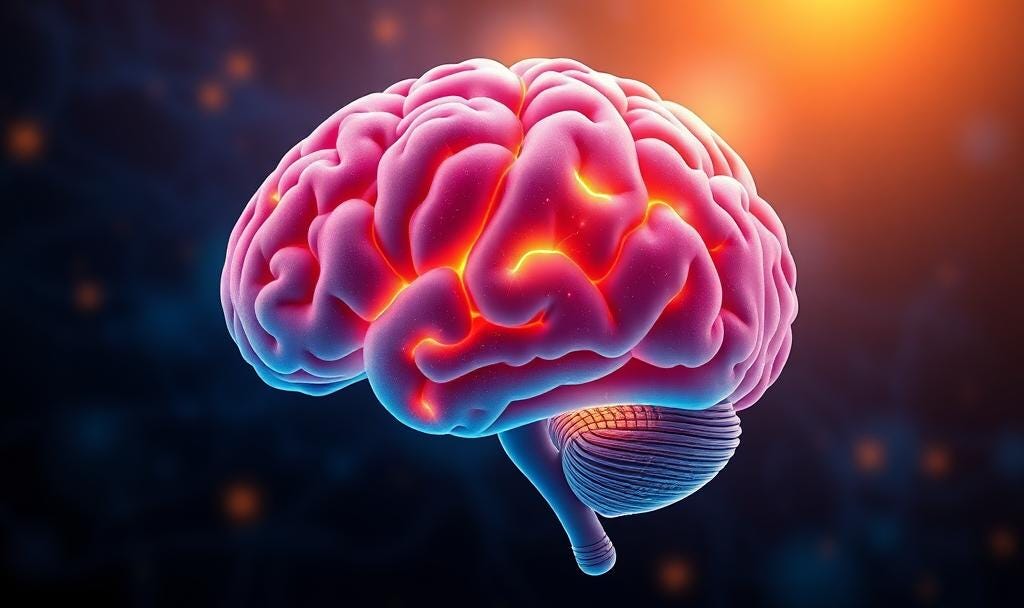
This is the happiness described in the Bhagavad Gita, when Krishna tells Arjuna to:
Focus on your duty, not on pleasure or fear.In neuroscience, this means:
Don’t just chase dopamine spikes.
Find meaning in consistency and long-term effort.
This is why discipline creates true happiness.
How to Use This Framework in Your Life
A balanced scale with "Physical Needs," "Pleasure," and "Fulfillment" as equal parts.
If you ask yourself “Am I happy?”, don’t stop at a simple “yes” or “no.”
Instead, ask yourself:
Am I happy at all three levels?
Is my body happy? (Food, exercise, sleep)
Am I stuck in short-term pleasure-seeking? (Dopamine treadmill)
Am I working toward meaningful long-term happiness?
Chasing the Wrong Kind of Happiness
Too often, people try to fix unhappiness by chasing limbic (dopamine) pleasures.
Feel stressed? → Eat junk food
Feeling low? → Go shopping
Bored? → Scroll social media endlessly
But these don’t fix the problem.
To be truly happy, you need balance across all three levels.
How to Build Lasting Happiness
1️⃣ Optimise Your Physical Happiness
Eat nutritious food
Exercise daily
Get enough sleep
2️⃣ Control Dopamine-Based Happiness
Enjoy pleasures in moderation
Don’t rely on short-term highs for happiness
Avoid the dopamine treadmill
3️⃣ Prioritise Prefrontal Cortex Happiness
Set long-term goals and work toward them
Build self-discipline
Find meaning and purpose in what you do
The Key to True Happiness
Happiness isn’t just one thing—it exists at three levels.
To live a truly happy life, make sure you’re balanced in all three areas:
Take care of your body (Physical Happiness)
Enjoy short-term pleasures in moderation (Limbic Happiness)
Prioritise discipline and long-term fulfillment (PFC Happiness)
When all three levels align, you experience true, lasting happiness.
Want to Train Your Brain for Long-Lasting Happiness? Join the NeuroMastery Bootcamp Waitlist, where we explore: How to control dopamine and avoid instant gratification, How to rewire your brain for long-term happiness, How to develop habits that create fulfilment and peace: Join Now & Start Your Happiness Journey!
Thanks for your insights on Happiness. I like it very much . We can have conscious approach for our happiness and can fine-tune our life for our mental, social and physical well being.
I like your style of story telling. It's amazing. And appreciate your efforts for educating society.
Wonderful please keep sharing more