

Why should you learn Neuroscience?

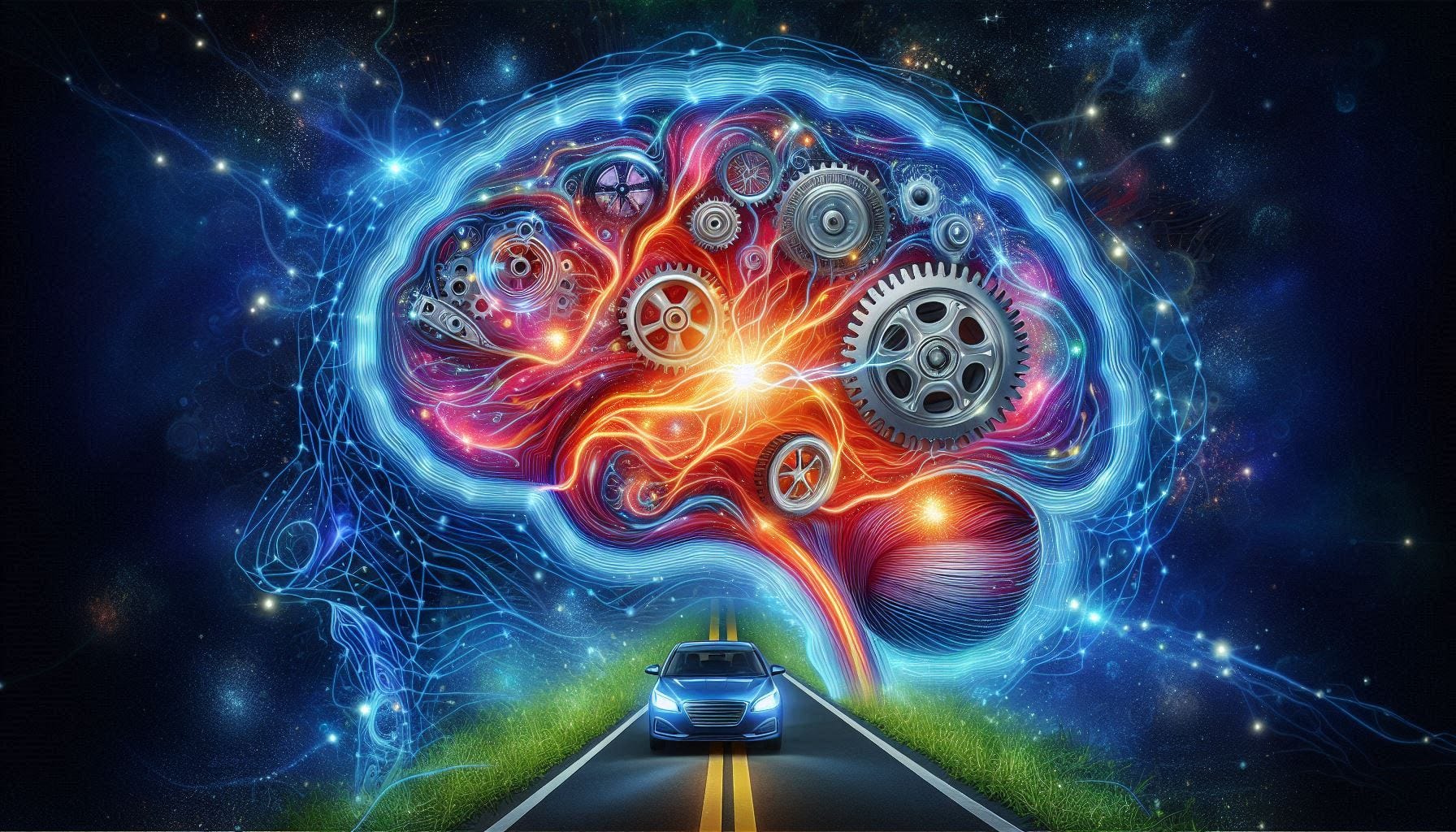
I truly believe that everyone should know and understand Neuroscience, and today I'm going to tell you why.
To explain the importance of neuroscience, I'm going to use the example of a road trip. Imagine you are going on a road trip and you are driving a car. For the first few days, everything is going well; you're enjoying your drive. After a few days, something's going wrong. Some strange sounds are coming from the engine and you have to stop. You open up the hood and you look inside. You see the engine, some parts are burning, some wires seem to be mixed up. Now, because you know something about car engine maintenance, you understand what is wrong and you know how to fix it. And more importantly, if something is so wrong that you can't fix it, you already know that you have to take the car to the garage and get it fixed. In other words, you need to take help.
Now imagine if you don't know anything about car engines. Not only could you not fix anything, you may even think that nothing is wrong and you may keep driving and doing more and more damage to the car. This is what happens with us and our health. Our body is the car and our brain is the engine. As long as our brain is working fine, it can continue pushing our body forwards. But it is our responsibility to take care of this brain and this body for as long as we can in order to live a good life.
So now let me give you a better understanding about neuroscience so that you can do exactly this.
Now, if your brain is the engine, what is the petrol? Petrol is a chemical called dopamine. Dopamine is the chemical that allows your brain to start moving and creates the motivation to keep moving. When there is no petrol, your car can't move even if nothing else is wrong. Similarly, in your brain, if there is no dopamine activity, you would not be able to do anything. And this is what happens in severe depression and in Parkinson's disease where a person is not able to move or speak like they used to.
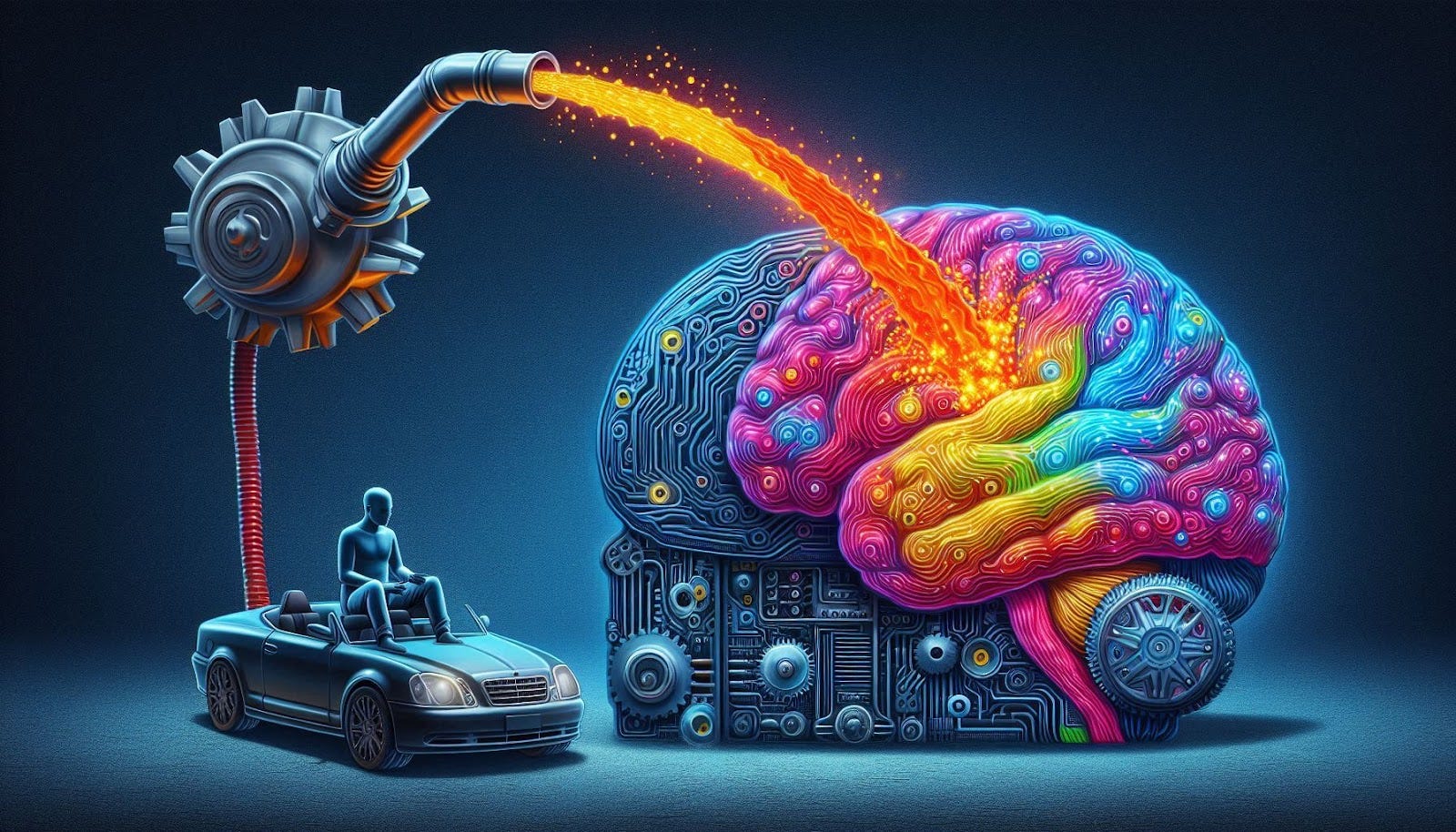
Now what happens if there is enough dopamine and the car is speeding up? There needs to be a system where we can control how much power the engine is pushing onto the car, and that is why there is a gear system in the brain. That gear system is serotonin. Serotonin is the dopamine modulator. It allows dopamine to work but it constantly keeps a check on how much activity dopamine is doing. You can think of serotonin as dopamine's elder brother. Now what happens if your brain has low levels of serotonin? This is seen in problems like addiction, gambling problems, or impulsive shopping. Somebody who has low levels of serotonin may not be able to control their impulses and may end up acting rashly or carelessly. This is also interesting because at night serotonin levels drop, so if you find yourself acting rashly or sending some 2 a.m. text to someone, just remember that that could be dopamine acting without serotonin taking care of it.

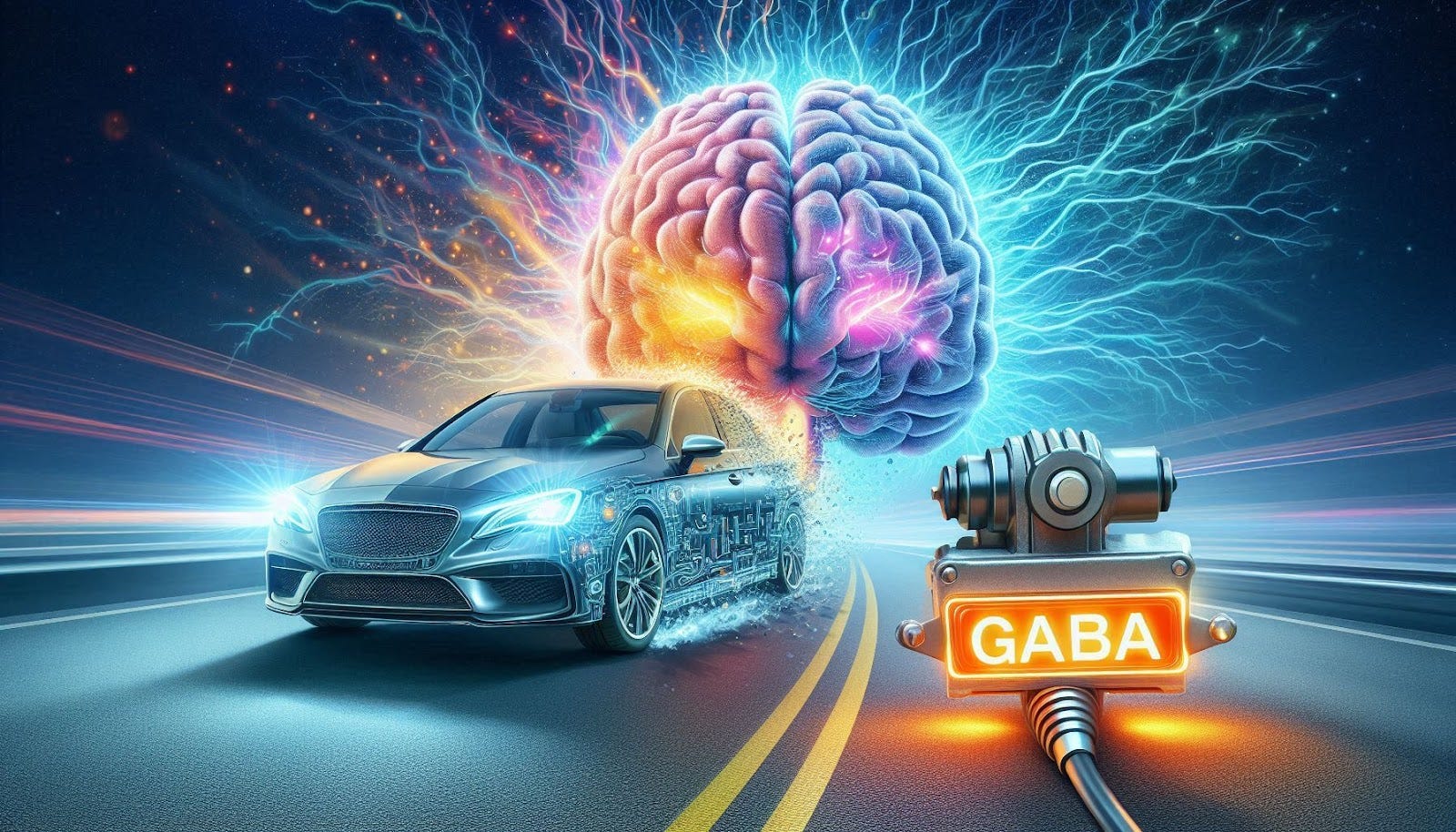
Now every car needs a braking system or it will crash. In the brain, that braking system is called GABA. GABA keeps the brain calm and it stops it from getting overstimulated. It is also the chemical responsible for slowing down your brain and telling your brain it is time to sleep or to rest. But just like any other braking system, if you continue accelerating even when the brake is trying to slow you down, the brake can fail and GABA can lose its effectiveness.
What else does a car need? It needs headlights to see what is important, and in the brain, this is controlled by the amygdala. The amygdala has the job of scanning the environment and figuring out what is important and what is not, and where you should pay attention to. And as an added feature, the amygdala also has access to the emergency brakes because what if something were to suddenly come in front of the car and you don't have time to apply your normal brakes? That is where the amygdala kicks in and applies the special brake called fear. The fear network is our body's way of applying an emergency brake, and how quick and how hard you pull the brake will determine how afraid you get. So if the amygdala pulls the brake very hard and very fast, that is what we call a panic attack.
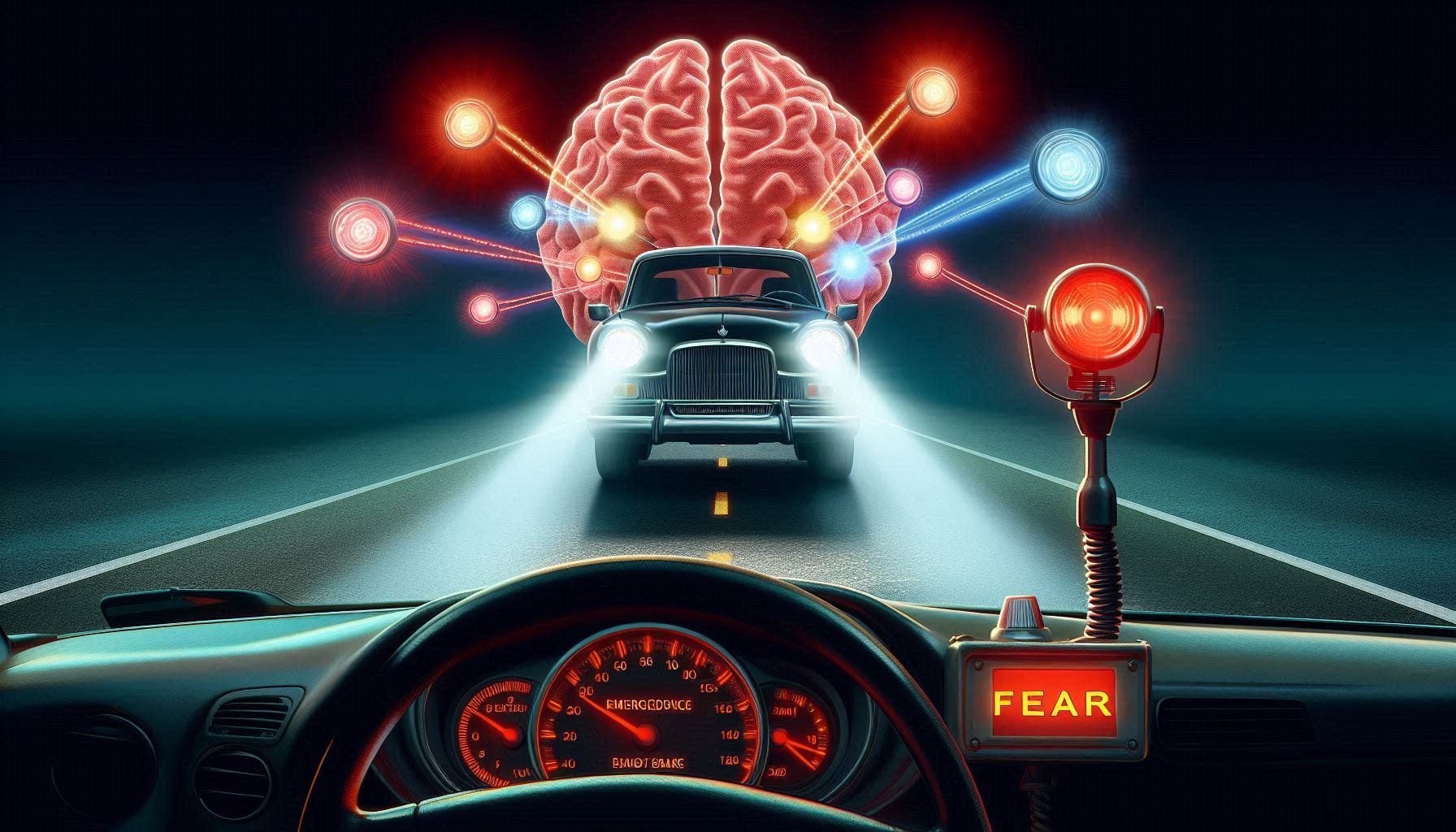
Ideally, if you're driving well, you are not supposed to be using the emergency brake at all. The only time you need the emergency brake is if you're driving very fast or very rashly. Unfortunately, that is what is happening with us today. We are living in a world where our attention is diverted and we are doing so many things in such a short time that our normal brakes aren't working anymore. And so our brain has to constantly keep pulling the emergency brake again and again to make us slow down, and that is what we call chronic stress. Because how else will our brain get us to slow down?
Now every car owner knows the importance of regular car servicing because that is the only way of making sure that all the parts of the car are working well. Unfortunately, again, when it comes to our body and health, we tend to keep driving until something goes wrong. And only when we are forced to do it do we reach out to a doctor or a medical professional and seek help to fix something that is already wrong. Because the idea of preventive health or making sure that nothing goes wrong in the future is still a new one for most of us. We literally take better care of our cars than we take care of our body and our brain, and that is why it is important to know neuroscience not only to know when something goes wrong but also to know what we can do to make sure nothing goes wrong in the future.
So if you would like to know what all you can do and you should do to take care of your brain, check out the latest videos on my youtube channel.
In the meantime, I hope you make use of this blog and share this with your friends to make sure that they also know what neuroscience is and why they should learn more about it. If you've already started applying some of the things that I've spoken about in previous blogs, let me know in the comments.
Let me know how it has shaped your life. It would mean a lot to me.
Cheers,
Sid
PS: If you are looking to learn more about Neuroscience: https://sidwarrier.com/courses
If you are looking to implement Neuroscience in your life, the next cohort is in October and the early bird ends on 31st August: https://sidwarrier.com/neuromastery
Absolutely loved the article.. The metaphors were on point!
Thanks a lot!
Deep stuff made simple. Need to read often and reflect !!! Great. Thanks!